Brand & Artist

Body

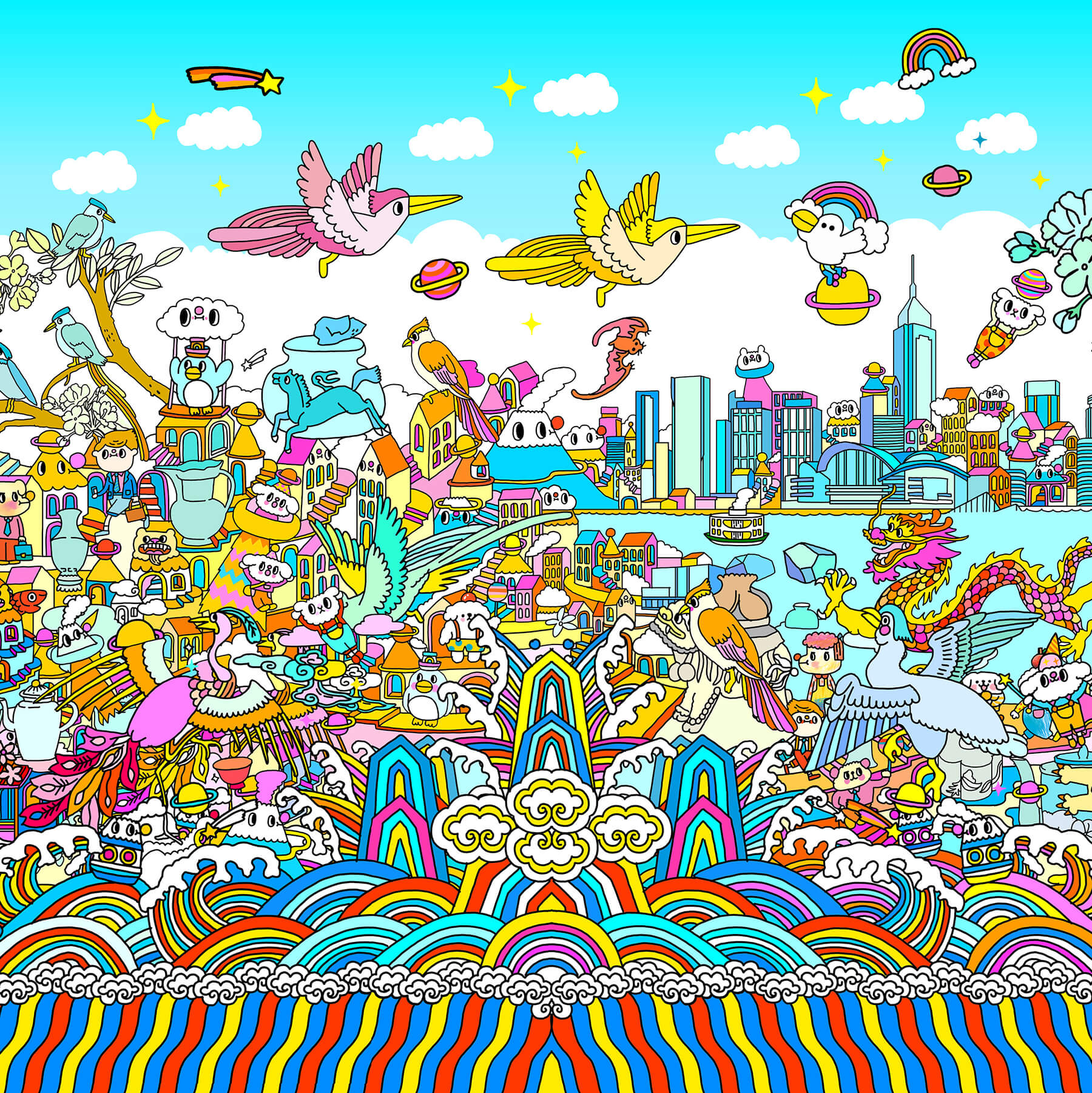
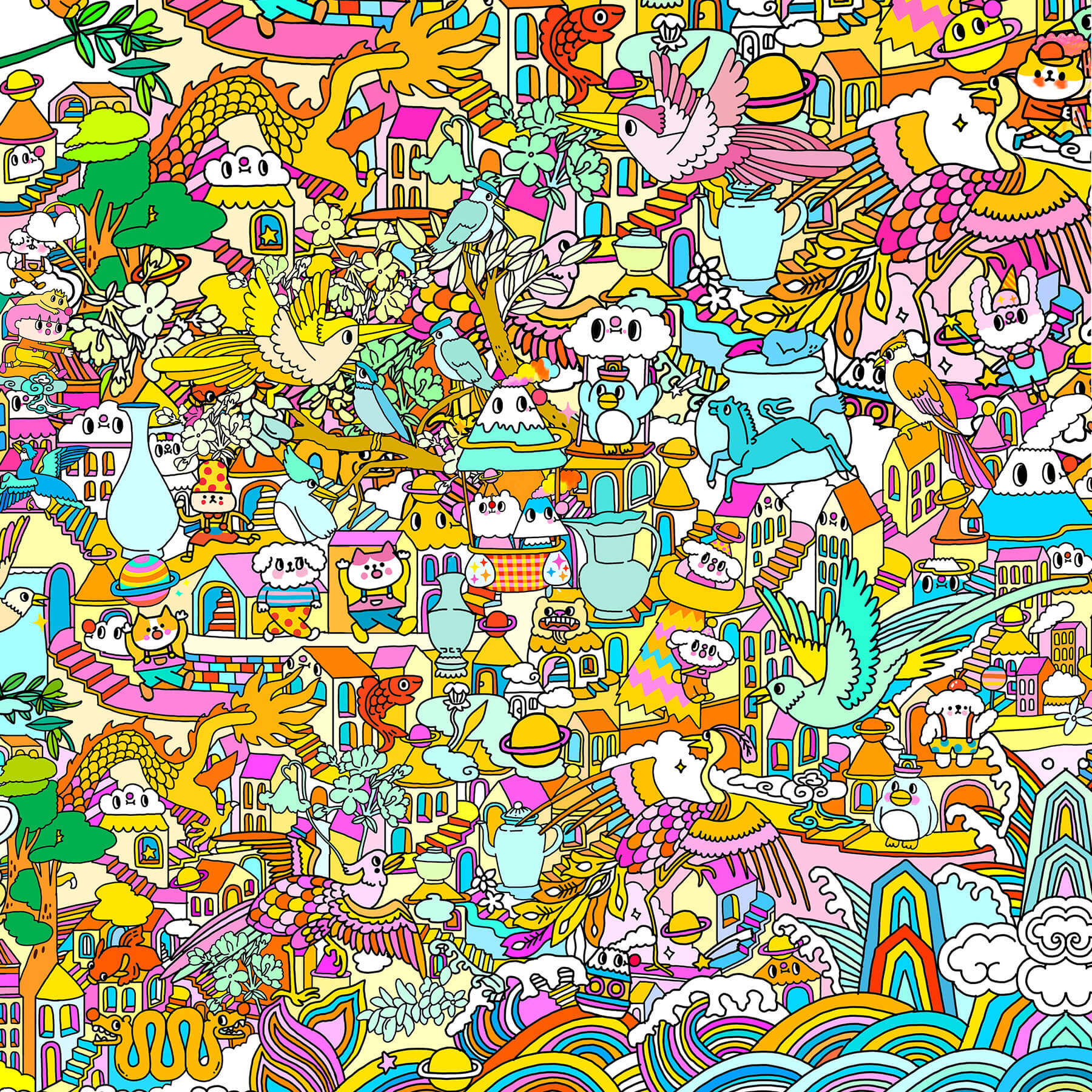
I seek to rearrange ancient Chinese artefacts and mythical creatures with new colours and the imagination of contemporary art to create a unique visual experience, allowing the audience to reacquaint themselves with and appreciate these cultural legacies.

My aim is to engage the audience through different visual elements and emotional resonances, encouraging them to rediscover and appreciate the charm and wisdom of these ancient stories. Naturally, incorporating elements of Hong Kong is essential.

Body

Badu Hemp Embroidery is an ancient folk craft that originated during the Three Kingdoms period (220-280 AD), primarily found in the Badu area of Zhejiang Province. Applied to the woven hemp cloth of commoners, the embroidered designs feature continuous lines symbolising "uninterrupted continuity."

In 2007, this embroidery was listed as an intangible cultural heritage in Zhejiang Province, and in 2011, it was recognised as an endangered craft in Hangzhou. The Textile Library has decided to reinterpret this traditional craft, creating a series of products incorporating the Mahjong-inspired theme.

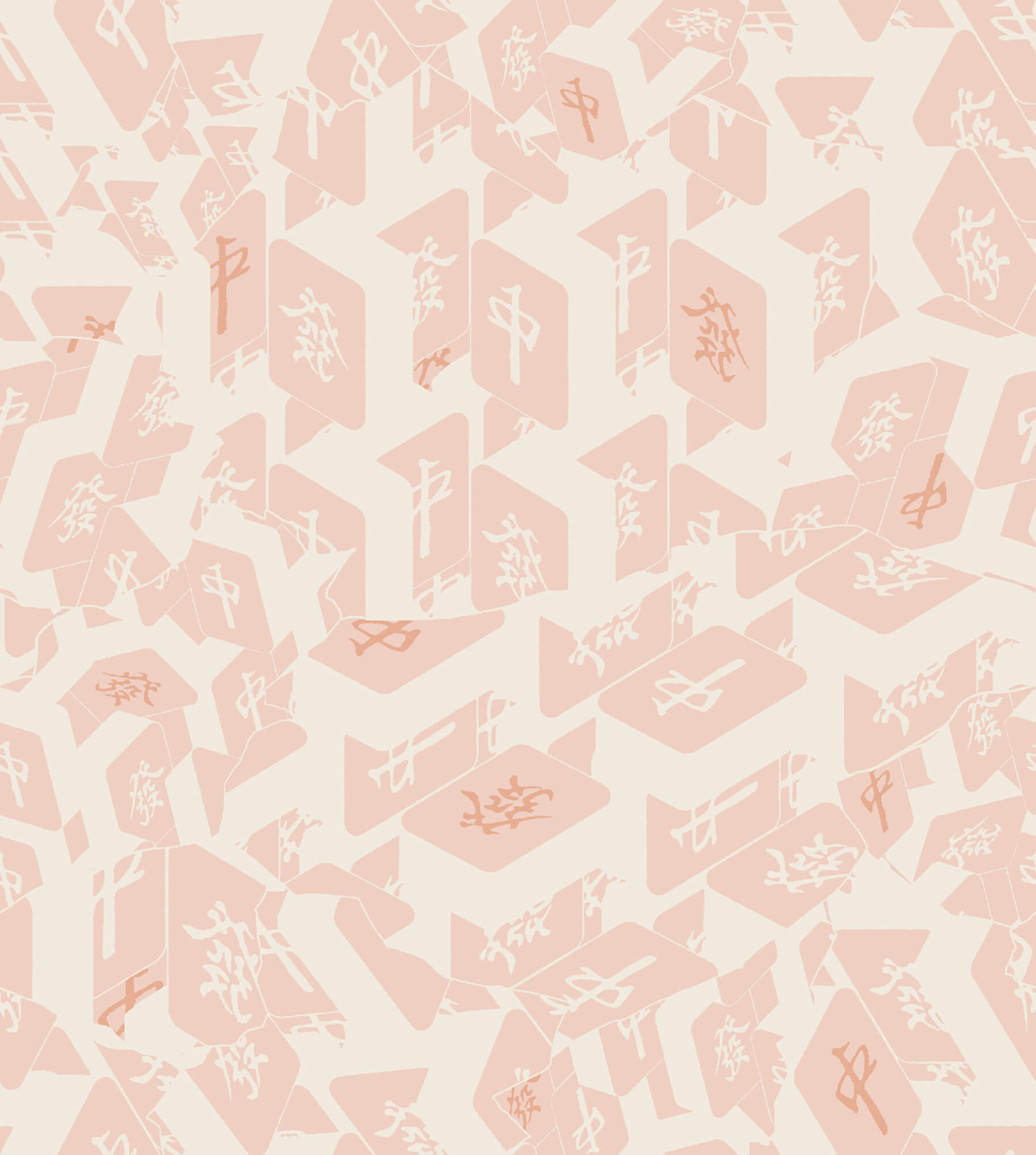
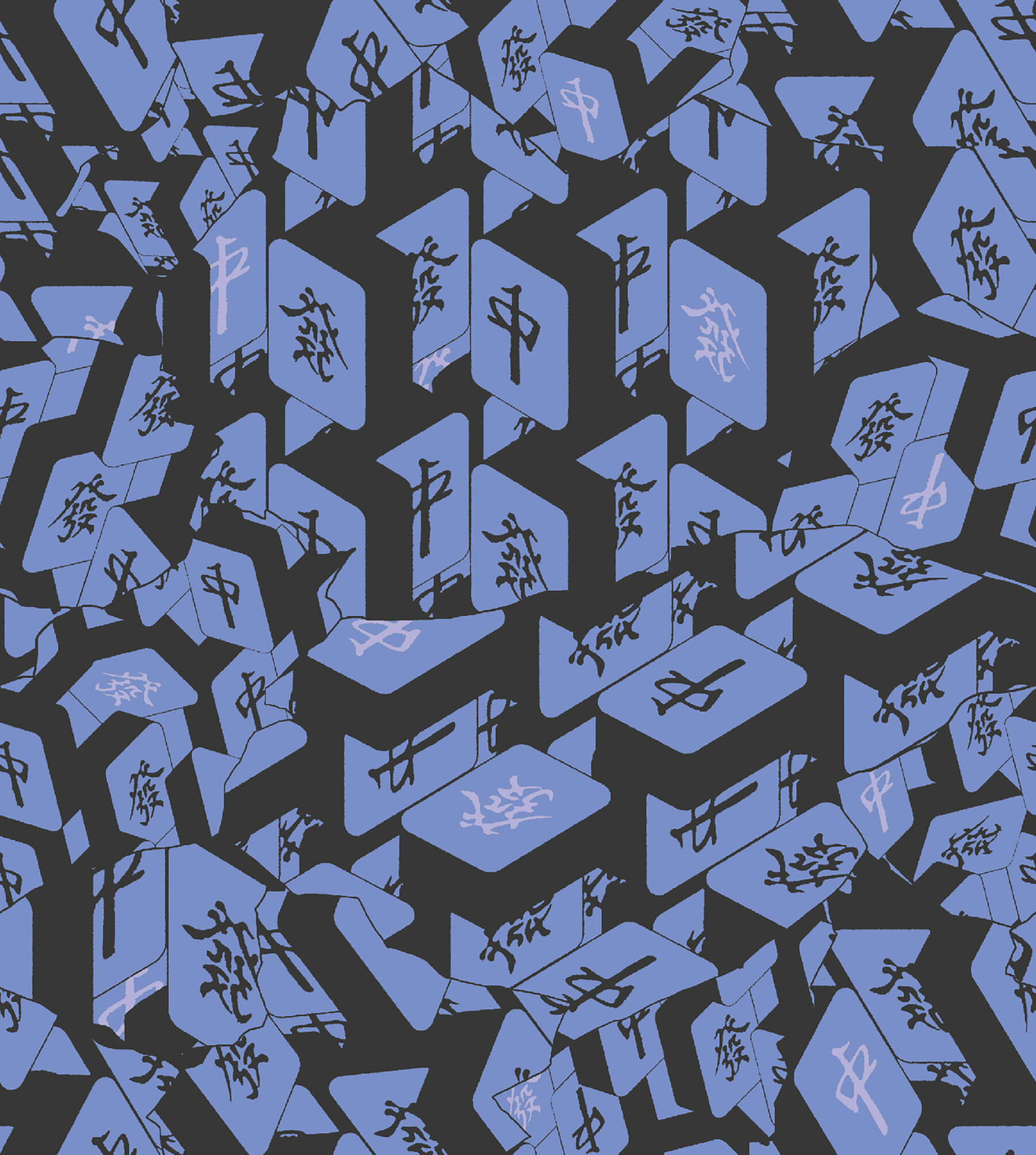
Pattern 1 features Mahjong tiles stacked like shards of porcelain..

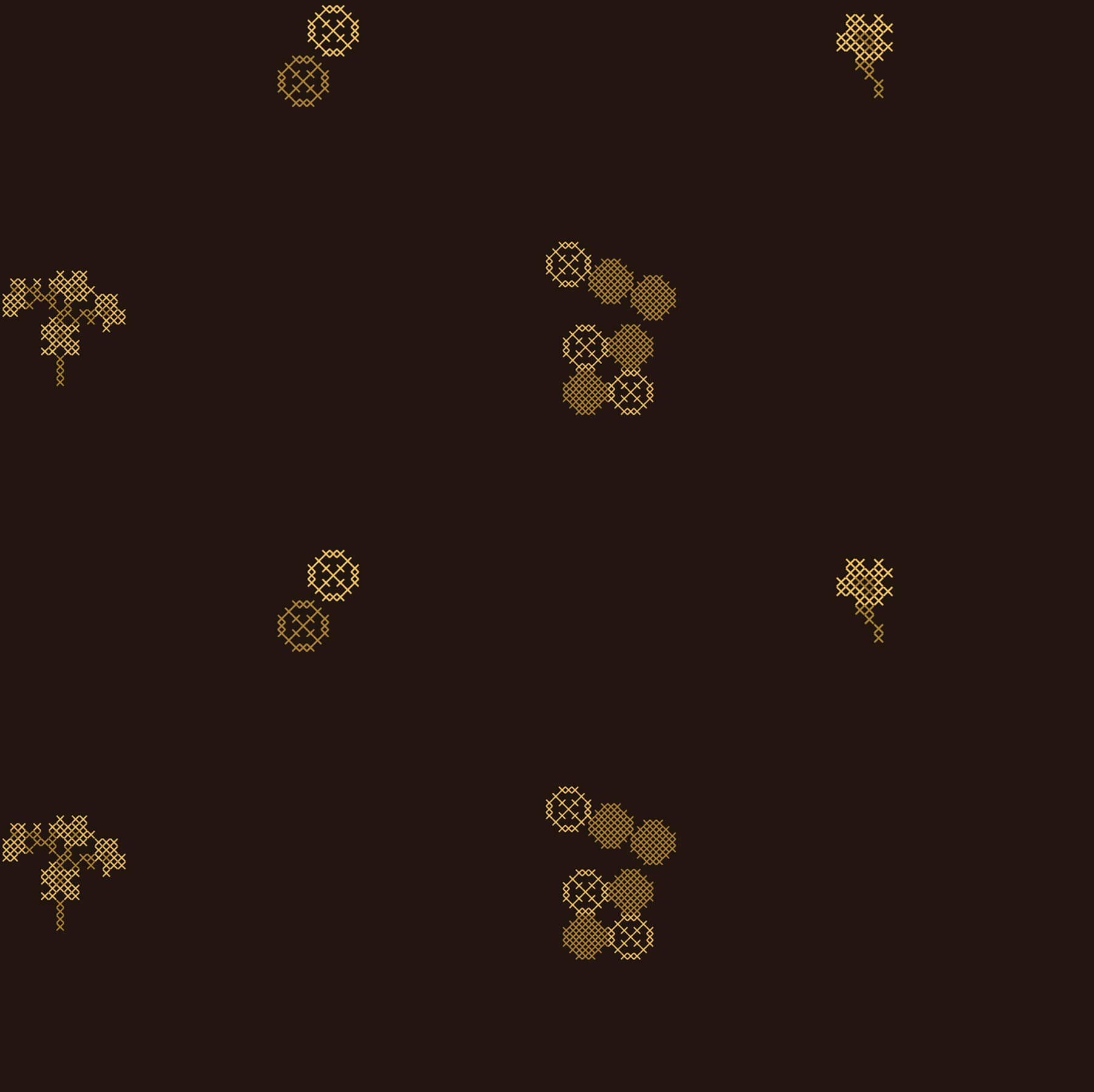
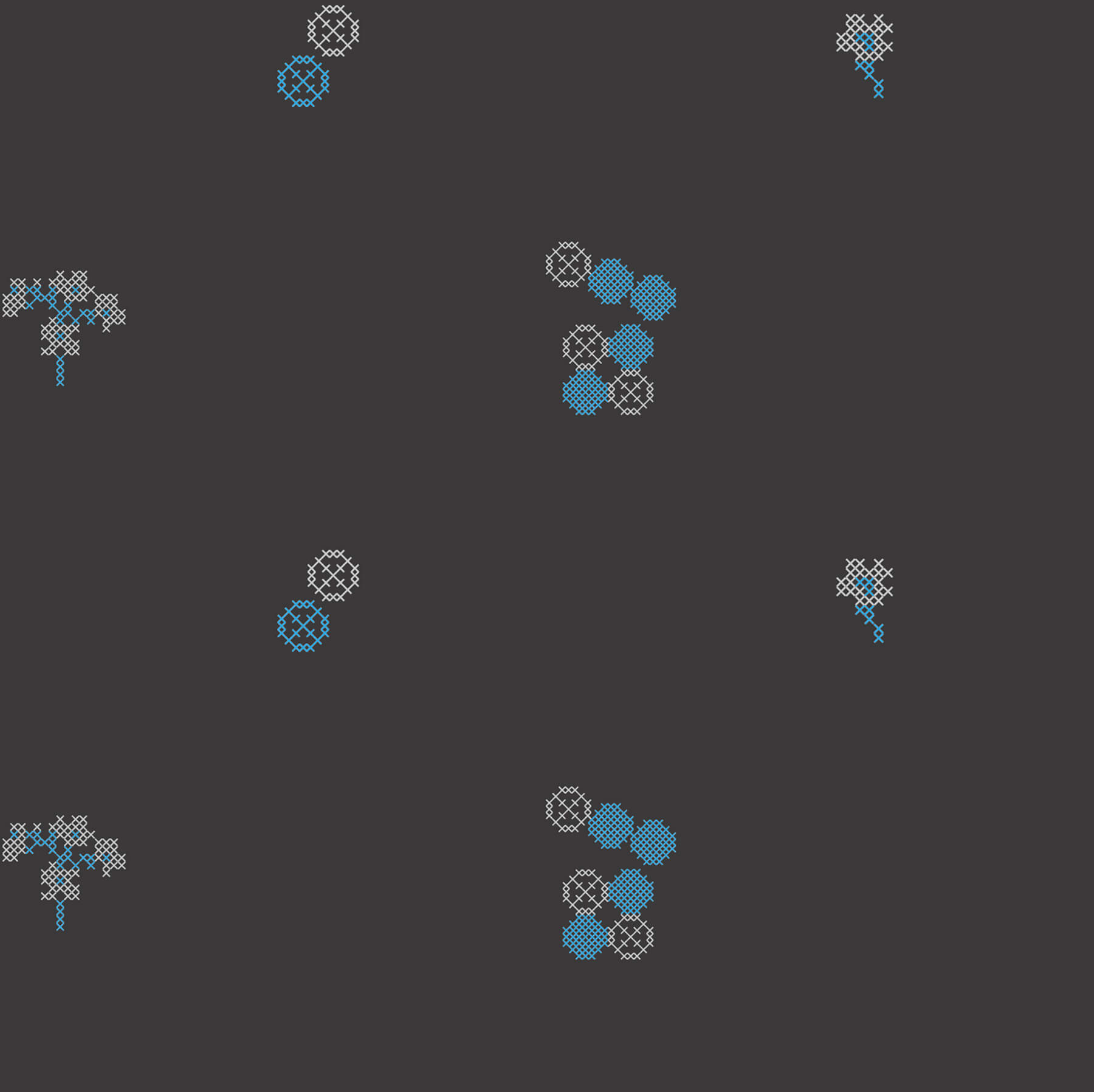
Pattern 2 plays with the graphics on Mahjong tiles, presented in Badu iconic cross stitches, portraying a sense of modernity.
 

Body

Badu Hemp Embroidery is an ancient folk craft that originated during the Three Kingdoms period (220-280 AD), primarily found in the Badu area of Zhejiang Province. Applied to the woven hemp cloth of commoners, the embroidered designs feature continuous lines symbolising "uninterrupted continuity."

In 2007, this embroidery was listed as an intangible cultural heritage in Zhejiang Province, and in 2011, it was recognised as an endangered craft in Hangzhou. The Textile Library has decided to reinterpret this traditional craft, creating a series of products incorporating the Mahjong-inspired theme.

Pattern 1 features Mahjong tiles stacked like shards of porcelain..

Pattern 2 plays with the graphics on Mahjong tiles, presented in Badu iconic cross stitches, portraying a sense of modernity.
 

Body

Badu Hemp Embroidery is an ancient folk craft that originated during the Three Kingdoms period (220-280 AD), primarily found in the Badu area of Zhejiang Province. Applied to the woven hemp cloth of commoners, the embroidered designs feature continuous lines symbolising "uninterrupted continuity."

In 2007, this embroidery was listed as an intangible cultural heritage in Zhejiang Province, and in 2011, it was recognised as an endangered craft in Hangzhou. The Textile Library has decided to reinterpret this traditional craft, creating a series of products incorporating the Mahjong-inspired theme.

Pattern 1 features Mahjong tiles stacked like shards of porcelain..

Pattern 2 plays with the graphics on Mahjong tiles, presented in Badu iconic cross stitches, portraying a sense of modernity.

Body

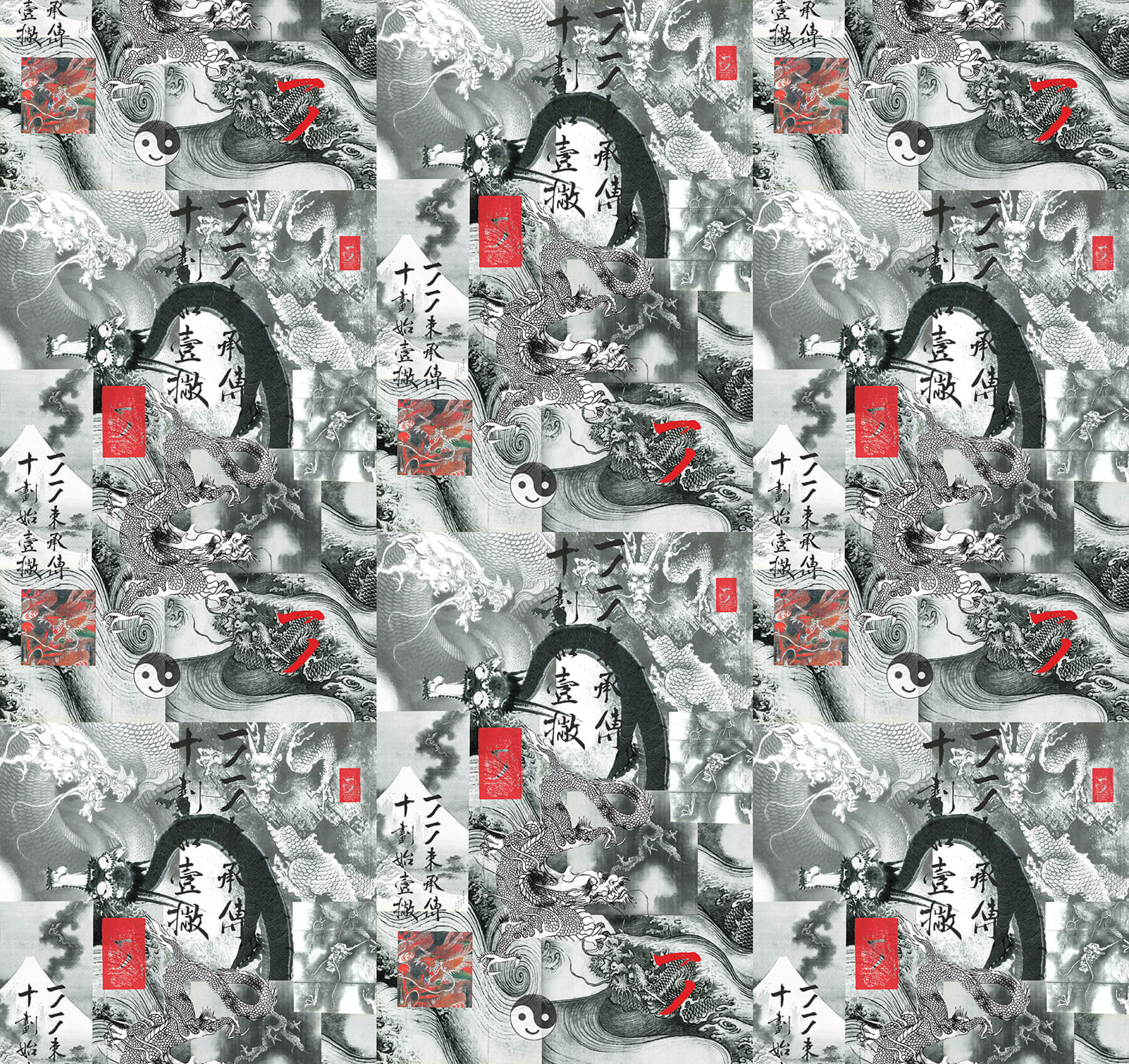
Kowloon, a densely populated area in the heart of Hong Kong, is a transliteration of two Chinese characters meaning ‘nine dragons’. Our dragon motif is an interpretation of the hustle and bustle of Hong Kong.

Body

I seek to rearrange ancient Chinese artefacts and mythical creatures with new colours and the imagination of contemporary art to create a unique visual experience, allowing the audience to reacquaint themselves with and appreciate these cultural legacies.

My aim is to engage the audience through different visual elements and emotional resonances, encouraging them to rediscover and appreciate the charm and wisdom of these ancient stories. Naturally, incorporating elements of Hong Kong is essential.

Body

Badu Hemp Embroidery is an ancient folk craft that originated during the Three Kingdoms period (220-280 AD), primarily found in the Badu area of Zhejiang Province. Applied to the woven hemp cloth of commoners, the embroidered designs feature continuous lines symbolising "uninterrupted continuity."

In 2007, this embroidery was listed as an intangible cultural heritage in Zhejiang Province, and in 2011, it was recognised as an endangered craft in Hangzhou. The Textile Library has decided to reinterpret this traditional craft, creating a series of products incorporating the Mahjong-inspired theme.

Pattern 1 features Mahjong tiles stacked like shards of porcelain..

Pattern 2 plays with the graphics on Mahjong tiles, presented in Badu iconic cross stitches, portraying a sense of modernity.
 

Body

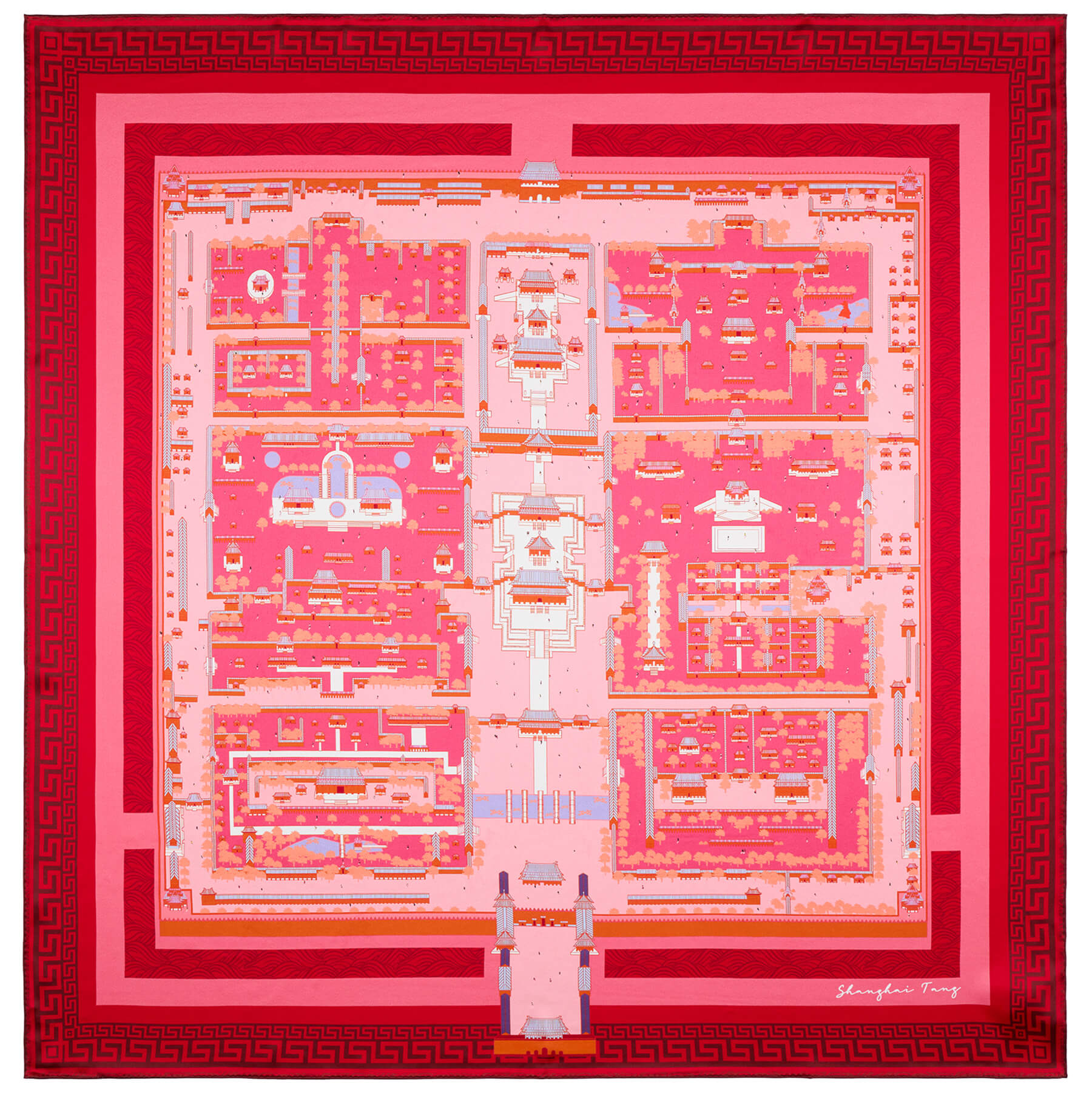
Celebrate the timeless elegance of SHANGHAI TANG and its spirit of joie de vivre with this Double Happiness pattern. This design combines the traditional Chinese character Xi, bestowing the wish for abundant joy, with architectural motifs from the Forbidden City. Geometric forms artfully filled with landscape details, are surrounded by alternating borders of art deco patterns and auspicious waves.